
QR Codes on Pet Tags
Keep pets safe and connected. Add QR codes to collars, tags, or carriers so anyone can scan to access owner details, medical info, or emergency contacts instantly.
160+ reviews from


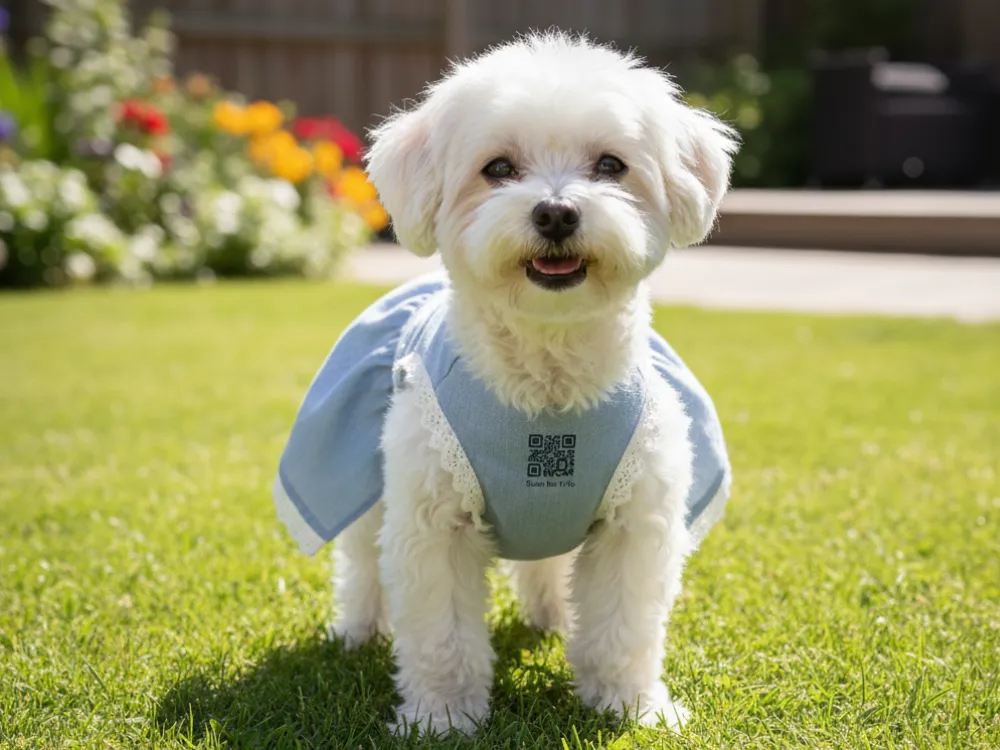
QR Codes on Pet Tags
Over 1 in 3 pets will become lost at some point in their lifetime (American Humane), and millions end up in shelters every year. The traditional engraved pet tag is a lifeline, but it’s dangerously limited. It holds a single, static phone number, which is useless if the owner is travelling, has moved, or is simply unreachable.
A QR code on a pet tag is the modern, digital solution to this problem. It’s a scannable, 2D barcode that links a finder’s smartphone instantly to a rich, updatable, digital profile. This profile can contain multiple contact numbers, the pet’s medical needs, vet information, and more.
The Benefits of Using QR Codes on Pet Tags
A QR code transforms a simple pet tag from a piece of metal into a life-saving, dynamic, and updatable digital ID.
1. Create a Dynamic, Updatable “Digital Pet ID”
This is the most critical benefit. A traditional engraved tag is permanent. If you move or go on vacation, your pet’s tag is now a dead end. A Dynamic Link QR Code links to a simple webpage. You can log into your dashboard and update your contact information at any time, without changing the tag. If you’re on vacation, you can change the contact number to your pet-sitter’s. If you move, you can update your address instantly.
2. Provide Life-Saving Medical and Dietary Information
A finder might try to feed your lost pet, which could be dangerous. A Dynamic Link QR Code can link to a profile that prominently displays:
- “DIABETIC – DO NOT FEED”
- “ALLERGIC TO CHICKEN”
- “NEEDS SEIZURE MEDICATION DAILY” This vital information can be the difference between life and death. You can also use a Dynamic File QR Code to link to the pet’s full vaccination records for a vet or shelter.
3. Consolidate All Pet Info for Sitters and Vets
A pet QR code tag isn’t just for when they’re lost. It’s the central hub for all their information. A Dynamic Link can point to a page with:
- Your primary Phone QR Code link.
- Your emergency SMS QR Code link.
- Your vet’s Dynamic vCard QR Code to be saved instantly.
- A Dynamic File QR Code with their feeding schedule and care instructions. This is perfect for handing off to a dog walker or pet sitter.
4. Gain Analytics (for Shelters and Rescues)
For animal shelters and rescue organizations, Dynamic QR Codes are a powerful tool. Placing a unique QR code tag on each adoptable pet allows potential adopters to scan for more information. Your analytics dashboard can show you how many people scanned the code for a specific animal, giving you real-world data on which pets are getting the most interest and helping you focus your marketing efforts.
How to create a QR Code for a Pet Tag?
- Log in or Sign up for your free TLinky account.
- Dashboard → Click “QR Codes” → Select “Create QR”
- Type QR Code Name & Select Static or Dynamic QR code.
- Select your QR Code Type – For pet tags, we recommend a Dynamic Link (for an online profile) or a Dynamic vCard (for your vet’s info) for the most comprehensive solution.
- Customise colour, fonts & shape, etc., to match the tag.
- Generate QR & Download (PNG, WEBP, SVG, PDF). A SVG or PDF is ideal for giving to a tag engraver.
Pro tip: Use Dynamic QR Codes to edit or replace all the information at any time without re-engraving the tag. This means if you get a new phone number or your pet develops a new medical condition, your existing tag still works perfectly. Just personalise.
Protect. Scan. Reunite.
QR Codes on Pet Tags Best Practices
A QR code on a pet tag must be durable, high-contrast, and instantly scannable.
1. Add instructions
This is the most important rule. A code on a tag needs a clear, simple CTA.
- “SCAN IF I’M LOST”
- “SCAN FOR MY INFO”
- “MY OWNERS’ INFO”
2. Frame it
On a small, often reflective metal tag, a simple frame helps a phone’s camera lock on.
3. Add a logo inside your QR Code
A simple icon of a paw print or a house in the center of the code is a great visual cue that this code is for the pet’s home and safety.
4. Save your designs
A professional platform allows you to save your branded designs as templates. This is perfect for a shelter managing hundreds of pets or a pet tag business creating a consistent, branded look.
5. Customizable URL
On a pro plan, dynamic QR codes can use a custom short URL (e.g., pet.com/fido). This branded link is visible in some scanners and builds more trust.
6. Test before printing
This is the most critical step.
- Material: The QR code must be laser-engraved onto a metal tag. A simple printed sticker will rub off or fade in weeks.
- Test the Tag: You must test a final, engraved tag. Scan it in direct sunlight (for glare) and in dim light.
- Size: The code must be as large as possible on the tag. We recommend a minimum size of 0.8 x 0.8 inches (2 cm) for reliable scanning.
See QR Codes on Pet Tags in Action
- Pet Owners: Use a Dynamic Link QR Code on an engraved collar tag. The link goes to a mobile-friendly profile with the owner’s Phone number, an emergency SMS number, and the pet’s medical needs.
- Animal Shelters: Use Dynamic Link QR code tags on each adoptable pet. A scan links to the pet’s full adoption profile, including videos and their story, replacing a static info sheet.
- Veterinarians: Can offer Dynamic Link QR code tags to clients, linking to a profile that includes the clinic’s Dynamic vCard and the pet’s vaccination record, all in one place.
- Dog Walkers/Pet Sitters: Can use a Dynamic vCard QR Code on their own tags or Business Cards to share with clients, providing a modern and efficient way to exchange contact info.
Frequently Asked Questions
What is the best QR code for a pet tag?
A Dynamic Link QR Code is the only correct choice. It is the only type that is editable. A pet’s info (your phone number, your address, their medical needs) will change. A dynamic code lets you update this info without buying a new tag.
Why use a QR code if my pet is microchipped?
A microchip is essential, but it is the last line of defence. It can only be scanned by a vet or a shelter with a special scanner. A QR code is the first line of defence. Any good Samaritan with a smartphone can scan it and get your pet home in minutes, without ever going to a shelter.
Is a QR code better than a simple engraved tag with a phone number?
Yes. A QR code can store unlimited information, including multiple contact numbers, medical alerts, vet info, and a photo. A traditional tag can only fit one or two phone numbers, which may be useless if you are traveling.
How do I get a QR code onto a pet tag?
You generate the QR code as a high-resolution image file (like an SVG). You then provide this file to a pet tag engraving service, just as you would provide them with text.
Will the QR code scratch off or fade?
Not if it is laser-engraved into an anodized or stainless steel tag. A cheap, printed-on sticker tag will not last. You must use a high-quality engraving process for a pet’s tag.
TLinky’s Recognitions & Awards







Trusted by the Industry Experts that YOU trust

Safety in Every Scan
Give your pets digital protection that travels with them. Simple, durable, and easy to update anytime.